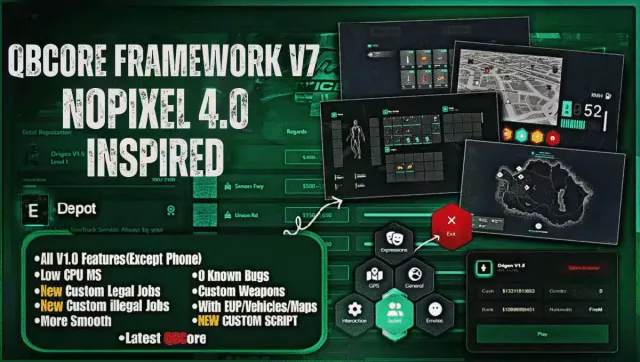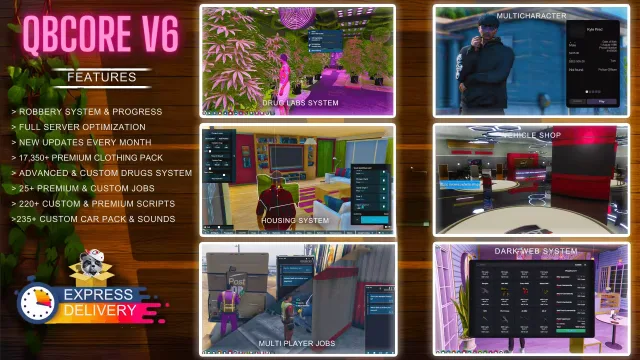
QBCore V6 Ready-Made Server Pack
$110.00
220+ scripts, custom heists and monthly patches in one QBCore server
Instant digital delivery
FiveM script
Car scripts cover everything that happens once a vehicle exists on your server, from buying it at a dealership to locking it, storing it in a garage, and tracking who owns it. Most resources here run on QBCore, ESX, or Qbox, and many hook into ox_inventory and ox_lib for keys and item handling. Pick the systems that match how you want players to get and keep their cars.
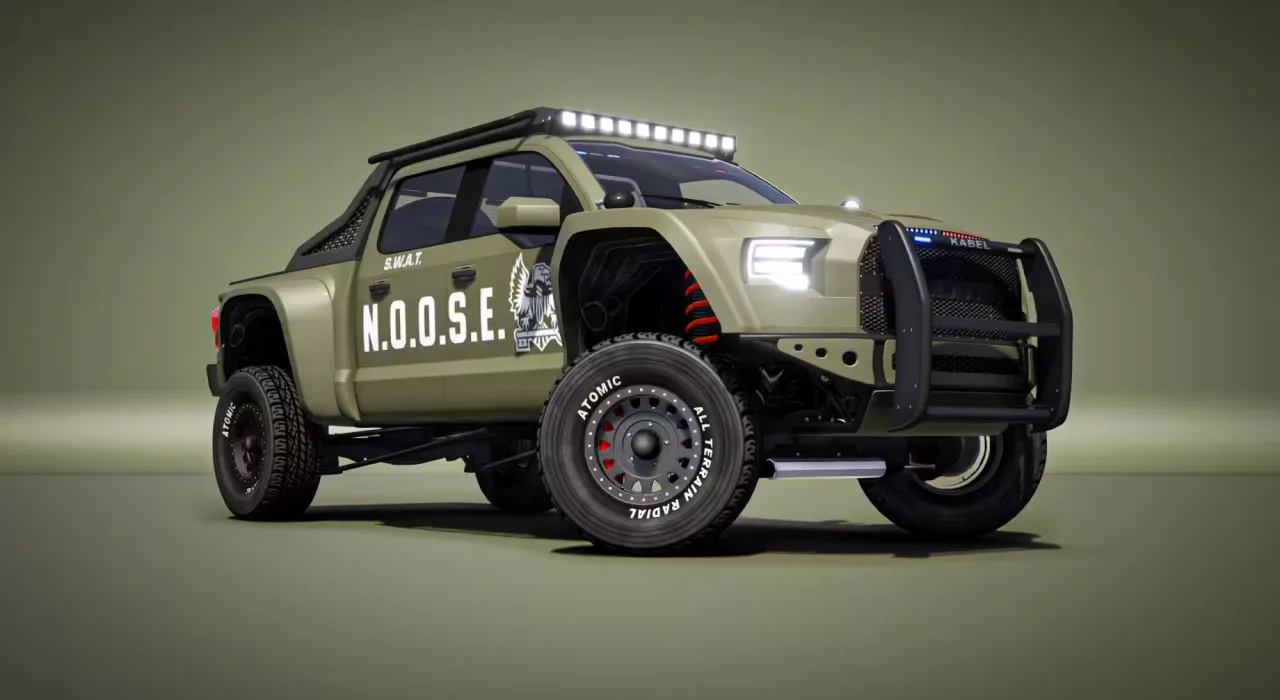
"FiveM cars" covers a wide slice of the scene. Some of it is the vehicle content itself, the add-on models and handling files. Most of what a server actually needs is the systems around those cars: who can buy them, how keys work, where they park, and what an admin can do when something breaks. This page pulls those scripts together so you can build the ownership loop without stitching five half-finished resources into one.
Think about the full path a car takes on a live server. A player walks into a dealership, test drives a vehicle, pays, and gets a set of keys. That car goes on a plate tied to their citizenid, so it shows in their garage after a restart. They lock it, lend a key to a friend, maybe lose it to an impound after parking on the wrong street. Every one of those steps is a script, and the good ones share state cleanly instead of each keeping its own private database of who owns what.
The strongest setups treat these as one system. A dealership that writes to the same owned_vehicles table your garage reads, using the same key script police can override, gives players a car loop that feels solid. When the pieces disagree about who owns a plate, you get cars that vanish, duplicate, or refuse to unlock, and those bugs are painful to trace at 3am with sixty players online.
Most car scripts here target QBCore and ESX, with Qbox support common on newer releases. Many use ox_lib for menus and ox_inventory for keys as items, so have those installed and updated before you start. Read each product page for the exact framework and dependency list rather than assuming, because a garage built for qb-target will not drop cleanly onto a server running ox_target without a config change.
Install is the usual FiveM flow. Drop the resource into your resources folder, add the SQL if it ships a database table, set ensure in your server.cfg, and edit the config for prices, locations, and job locks. Open-source scripts let you tune the shared events so your dealership, garage, and key script all speak the same language. Escrow scripts still expose a config file, so you can set the important values without touching locked code. Test on a local server first, spawn a car, buy one, restart, and confirm it comes back in the garage before you push to production.
Every car script listed here shows its framework, its dependencies, and whether the code is escrowed or open before you pay, so you know what you can edit. We group vehicle systems together so you can match a dealership, a garage, and a key script that actually work as one loop instead of guessing across three different sellers. If a resource lists a resmon figure or a demo server, we keep that detail on the page.
You get instant delivery, update access where the creator provides it, and a description written by people who have run these scripts on real servers. Start with the ownership backbone, the dealership and garage, then layer keys, impound, and management tools on top as your server grows.
Most target QBCore and ESX, and many newer releases add Qbox support. A good number rely on ox_lib and ox_inventory for menus and keys. Always check the individual product page for the exact framework and dependency list before buying.
A vehicle add-on is the model and handling file, the actual car you drive. A car script is the system around it, like a dealership, garage, or key system. This page focuses on the scripts that control how players buy, store, and use vehicles.
They should, if the script stores vehicles against a citizenid or license in your database. This is the first thing to check on any dealership or garage. A script that keeps ownership only in memory will lose cars on restart, so read the product notes carefully.
It depends on whether the code is escrowed or open source. Open-source scripts let you change UI, prices, and shared events freely. Escrow scripts lock the core logic but still give you a config file for prices, locations, and job locks. Each page states which one you get.
Drop the resource into your resources folder, import any SQL it ships, add ensure to your server.cfg, and edit the config for prices and locations. Test on a local server first. Buy a car, restart, and confirm it returns in the garage before going live.
They do when they share the same ownership table and key system. The cleanest setups have the dealership write vehicles that the garage reads and the key script unlocks. Mismatched scripts can cause cars to duplicate or fail to unlock, so pairing compatible resources matters.